



Trump Emeny Lula Wins Brazil Stock Market Plunge After Surprise Election Win, What It Means for Global Markets and the US
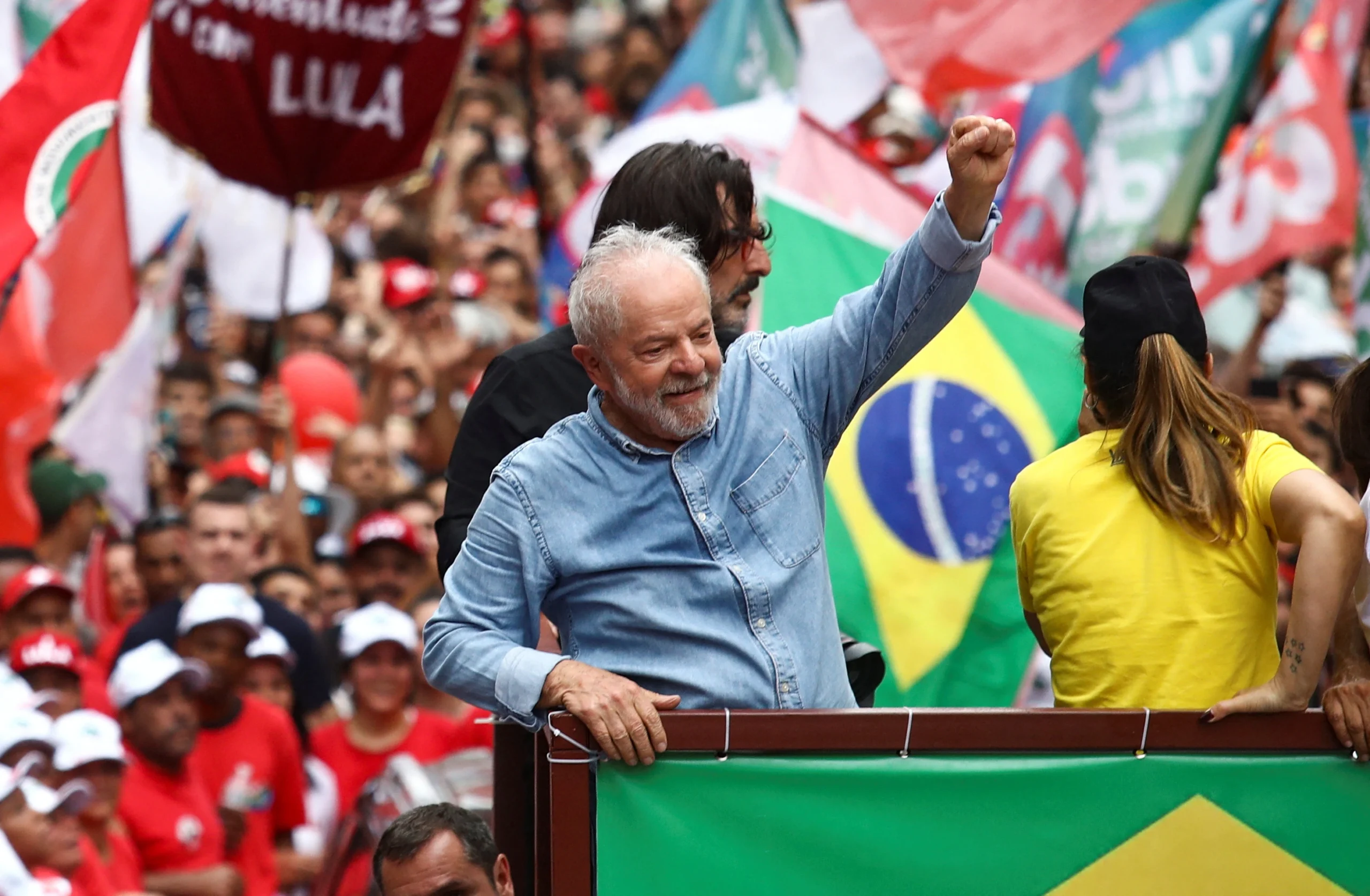
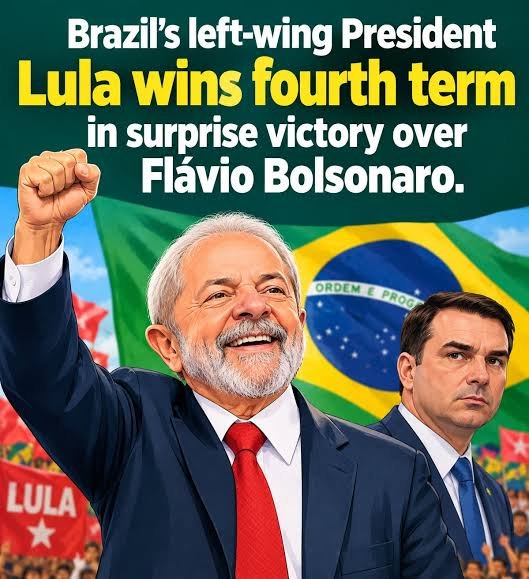
Brazil’s financial markets faced heavy selling pressure on October 26, 2026, after President Luiz Inácio Lula da Silva secured an unexpected victory in the presidential runoff against right-wing candidate Flávio Bolsonaro. The result surprised investors who had positioned themselves for a change in government and a more business-friendly economic policy.
The reaction was immediate. Brazil’s benchmark Bovespa stock index fell more than 15% during the session, triggering a temporary trading halt, while the Brazilian real weakened sharply against the US dollar. Brazilian stocks listed in overseas markets also came under pressure. (Reuters)
But why did Lula’s victory create such a strong market reaction? And could the political development affect the United States, emerging markets and the wider global economy?
Why Did Brazil’s Stock Market Fall After Lula Won?
The biggest reason behind the sell-off was the difference between what investors expected and what actually happened.
Before the election, financial markets had rallied as investors anticipated a possible victory for Flávio Bolsonaro. His campaign had emphasized government spending discipline, privatization and policies intended to encourage private investment.
Investors expected these policies to improve Brazil’s public finances and potentially create room for lower interest rates in the future.
However, Lula’s victory changed those expectations. Investors became concerned that government spending could remain high and that Brazil might struggle to control its growing public debt.
According to Reuters, the Bovespa index had risen almost 7% from its level before the first round of voting. The real had also strengthened by nearly 5% against the dollar during that period.
When the election outcome went against market expectations, investors began unwinding their positions.
This is an important lesson for financial markets: stock prices do not react only to whether a political leader wins or loses. They also react to whether the result is different from what investors had already priced in.
What Does Lula’s Victory Mean for Brazil’s Economy?
Brazil now faces the challenge of maintaining economic growth while addressing concerns about government debt and spending.
Investors are particularly concerned about the government’s ability to balance social welfare programmes and public investment with fiscal discipline.
Brazil’s public debt has exceeded 82% of gross domestic product, according to reporting on the election-related market reaction. The government has also targeted a primary budget surplus of around 1.3% of GDP by 2030.
A primary surplus means government revenue exceeds expenditure before interest payments on existing debt are included.
If investors doubt that Brazil can achieve its fiscal targets, they may demand higher returns to lend money to the government. This can increase borrowing costs, put pressure on government bonds and make financing more expensive for businesses and households.
The next important signals will be Lula’s economic appointments, the details of his fiscal plans and his ability to work with Congress.
Until investors receive clearer answers, Brazilian stocks and the real could remain sensitive to political and economic announcements.
How Could Brazil’s Market Crash Affect Global Markets?
Brazil is one of the world’s major emerging economies and an important supplier of agricultural products, metals and energy-related commodities. Therefore, a major change in investor confidence can influence international investment decisions.
However, Brazil’s stock market decline does not automatically mean that global markets will crash.
1. Emerging-market stocks could face pressure
When investors become concerned about political or fiscal risks in one emerging economy, they may reassess their exposure to other developing markets.
Countries that depend heavily on foreign investment or have vulnerable public finances can face additional scrutiny.
This could create short-term volatility in emerging-market equities, currencies and bonds. However, the impact will depend on each country’s economic conditions, debt levels and policy credibility.
2. Commodity markets could react
Brazil plays an important role in global supplies of soybeans, iron ore, coffee and other commodities.
Political uncertainty and currency movements can influence the earnings of Brazilian exporters and the prices at which their products compete internationally.
A weaker real can make Brazilian exports cheaper for overseas buyers when prices are measured in foreign currencies. This may benefit some exporters, although it does not guarantee higher profits because production costs, global demand and commodity prices also matter.
For commodity-importing countries, any sustained disruption to Brazilian production or exports could affect supply costs. At present, the stock market sell-off alone is not evidence of a major supply disruption.
3. Investors may become more selective
The latest reaction highlights how quickly political developments can change market expectations.
Investors may become more cautious about companies whose performance depends on government contracts, domestic borrowing costs or regulatory decisions.
Export-oriented businesses may respond differently from banks, retailers and other companies that rely heavily on domestic economic activity.
As a result, investors should look beyond headline index movements and assess the exposure of individual companies.
What Is the Impact on the United States?
The United States could feel the effects through financial markets, trade relations and strategic competition with China.
1. US-listed Brazilian stocks are under pressure
American investors can access Brazilian companies through US-listed shares and exchange-traded funds, including the iShares MSCI Brazil ETF (EWZ).
After Lula’s victory, Brazilian shares traded in overseas markets experienced sharp losses. Reuters reported substantial selling pressure in Brazilian assets as investors reassessed their positions.
For US investors holding these investments, the risk comes from both falling share prices and currency depreciation.
For example, even if a Brazilian company maintains its earnings in local currency, a weaker real can reduce the dollar value of those earnings.
2. Trade relations with Washington could become more complicated
Lula supports an independent foreign policy and stronger economic relationships with countries including China and other members of the BRICS grouping.
His victory also complicates US President Donald Trump’s efforts to strengthen political and economic ties with governments across Latin America.
Nevertheless, a breakdown in US-Brazil trade relations is not inevitable. Both countries have reasons to cooperate on trade, investment and critical minerals.
The direction of the relationship will depend on negotiations over tariffs, market access and other economic priorities. (Associated Press)
3. Critical minerals could become strategically important
Brazil possesses mineral resources that matter to industrial production and supply chains.
The United States has an interest in securing reliable supplies of critical minerals, while Brazil wants investment and greater control over how its natural resources are developed.
If negotiations remain constructive, both countries could benefit from investment and trade. If tensions increase, businesses may face uncertainty over tariffs, sourcing and future projects.
For now, these are potential policy implications rather than proof that the election will directly damage the US economy.
What Should Investors Watch Next?
The coming days will be important for understanding whether the market reaction is temporary or signals a longer period of uncertainty.
Investors should monitor five developments:
- Brazil’s currency: Further weakness in the real could indicate continuing concerns about investor confidence and fiscal policy.
- Government bond yields: Rising yields may signal that lenders are demanding higher compensation for Brazil’s debt risks.
- Lula’s finance minister and economic team: Their appointments may provide clues about the government’s approach to spending, borrowing and economic reforms.
- US-Brazil trade negotiations: Any announcements involving tariffs, critical minerals or market access could influence affected industries.
- Emerging-market performance: Comparing Brazil with other developing economies can help determine whether the pressure is country-specific or spreading more widely.
Investors should avoid making decisions based solely on one day’s market movement. Currency risk, company earnings, valuations and the broader global economic outlook also matter.
You can also read our latest stock market news and explore our coverage of the Jio IPO to better understand market-related risks and investment decisions.
At The End
Lula’s surprise election victory has triggered a major repricing of Brazilian financial assets because investors had expected a different political outcome and a potentially stricter fiscal approach.
The immediate impact is visible in falling Brazilian stocks, a weaker real and renewed concerns about public debt. The wider consequences could extend to emerging-market sentiment, commodity trade and US-Brazil economic relations.
However, the election does not automatically signal a global market crash or a recession in the United States. The longer-term outcome will depend on Brazil’s fiscal decisions, the government’s relationship with Congress and its approach to international trade.
For investors, the key question is no longer simply who won the election. It is whether Brazil’s next economic policies can restore market confidence while supporting growth.
Disclaimer: This article is for informational and educational purposes only. It is not investment advice or a recommendation to buy or sell any security.