


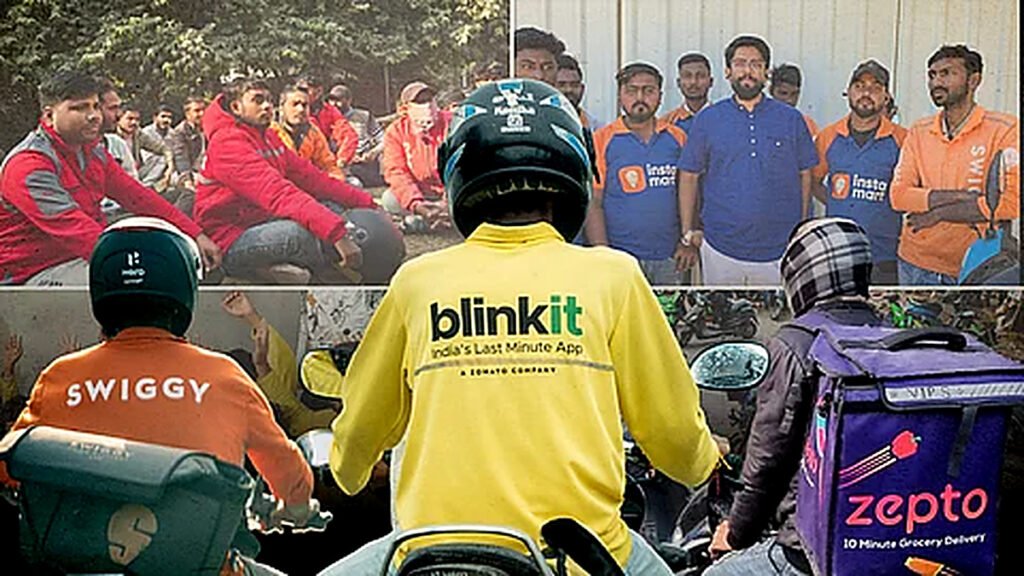
The National Social Security Board will design, monitor, and recommend targeted welfare schemes for the informal workforce in India. It is for unorganised, gig and platform workers.
Delivery Workers Benefits in India: Pension, Insurance and Social Security Explained
The Indian government has taken an important step to improve social security for gig workers in the country. The central government has formed the National Social Security Board for Unorganised, Gig and Platform Workers to support people working with digital platforms such as Swiggy, Zomato, Zepto and Rapido, Snabbit. The main aim of this move is to provide social security benefits to millions of people who earn their living through delivery services, cab services and other online platforms.
Today, millions of people in India work in sectors such as food delivery, quick commerce, and cab services. These workers operate differently from the regular, salaried employees of companies; they are commonly referred to as ‘gig workers.’ Their earnings depend on the number of orders, hours worked, and the policies of the platforms they work for. Consequently, they face significant challenges, primarily the lack of health insurance, pension coverage, and financial security in the event of an accident.
The new Social Security Board, constituted by the government, will address these issues. Its objective is to provide recommendations on matters related to the formulation and implementation of social security schemes for gig and platform workers. The board includes representatives from the government, as well as representatives from the workforce and platform companies.This decision could pave the way for several important benefits for gig workers in the future. These include health insurance, accident insurance, life insurance, disability support, and financial security in old age. Furthermore, consideration could also be given to providing maternity benefits and childcare-related facilities for female gig workers.
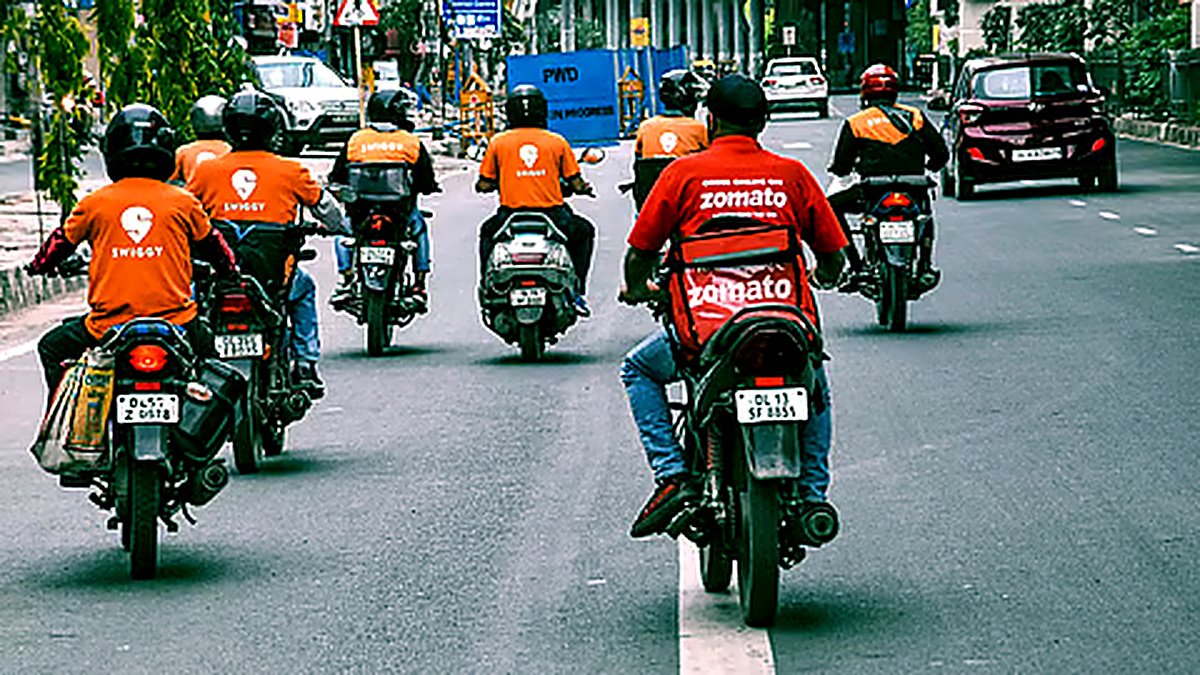

However, this does not mean that all delivery partners will immediately begin receiving a pension or insurance. Specific schemes, eligibility criteria, and the procedures for implementation will need to be clarified for these benefits. Therefore, it would be premature to claim any specific pension amount or insurance coverage at this stage.
The impact of this decision will not be limited to employees alone; it could also affect companies like Swiggy, Eternal (Zomato’s parent company), Blinkit, and other aggregator firms. The Social Security Code, 2020, includes provisions for social security contributions by aggregator companies. Under these provisions, the contribution rate may range between 1% and 2% of the annual turnover, with an upper limit set at 5% of the payments made to gig workers. The actual contribution rate and the implementation process are to be determined by the government.
If these regulations are implemented effectively in the future, companies may see an increase in their operational expenses. This is likely to impact their operating costs and profit margins. However, the actual financial effect will depend on the total payments made to gig workers and the applicable contribution rates.
The gig economy is growing rapidly in India. In this context, providing social security to gig workers can be considered a significant step for the labor market. The success of this new system will depend on how quickly the government implements these schemes and how many workers actually receive the benefits.