


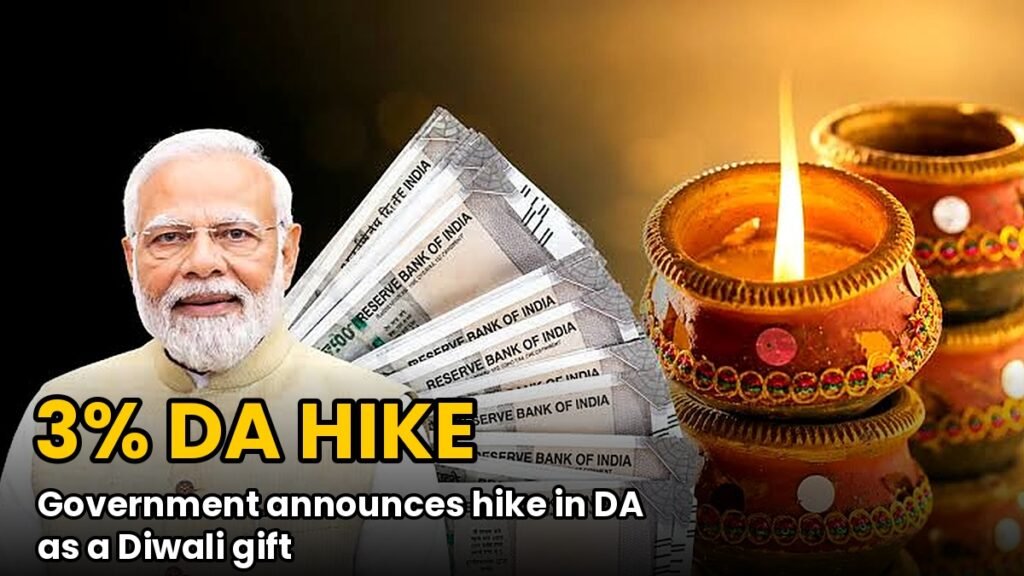
dThe Central Government’s 3% DA hike has increased the Dearness Allowance from 60% to 63%, providing additional income to millions of employees and pensioners. This article explains the actual salary increase across different pay levels, how arrears are calculated, and whether the revision can improve employees’ purchasing power amid rising household expenses.
Diwali Gift 3% DA Hike in 2026: How Much Extra Money Will Central Government Employees Actually Get?
A 3% increase in Dearness Allowance (DA) may appear to be a small salary revision, but its actual financial impact depends on how much an employee earns and how household expenses are changing. For millions of central government employees and pensioners, the latest revision means additional income. However, the bigger question is whether this increase will make a meaningful difference to their monthly budget.
The Central Government has approved a 3 percentage-point increase in DA, taking it from 60% to 63% of basic pay, effective July 1, 2026. The revision is expected to benefit approximately 48.54 lakh central government employees and 68.71 lakh pensioners.
How Much Extra Money Will Employees Actually Receive?
The additional amount depends on an employee’s basic salary rather than their total take-home income. For example, an employee with a basic pay of ₹18,000 will receive ₹540 more every month, while someone with a basic salary of ₹25,000 will get an additional ₹750. For employees earning ₹35,000 and ₹50,000 as basic pay, the monthly increase will be ₹1,050 and ₹1,500, respectively.
When calculated annually, these increases translate into additional income of ₹6,480, ₹9,000, ₹12,600 and ₹18,000, respectively, assuming the revised rate applies for a full 12 months.
This difference becomes important when employees plan their monthly expenses. The additional income could help cover grocery bills, electricity charges, transportation costs or insurance premiums. However, the benefit will vary depending on individual financial commitments.
Employees may also receive arrears because the revised rate is effective from July 1, 2026. Arrears represent the difference between the old and revised DA rates for the eligible period before the revised payment is implemented. For example, an employee with ₹35,000 basic pay would receive ₹2,100 in additional DA for two eligible months, assuming full-month eligibility and no other adjustments.
Pensioners also benefit from the revision through Dearness Relief (DR). While serving employees receive DA on basic pay, pensioners receive DR calculated on their eligible basic pension.

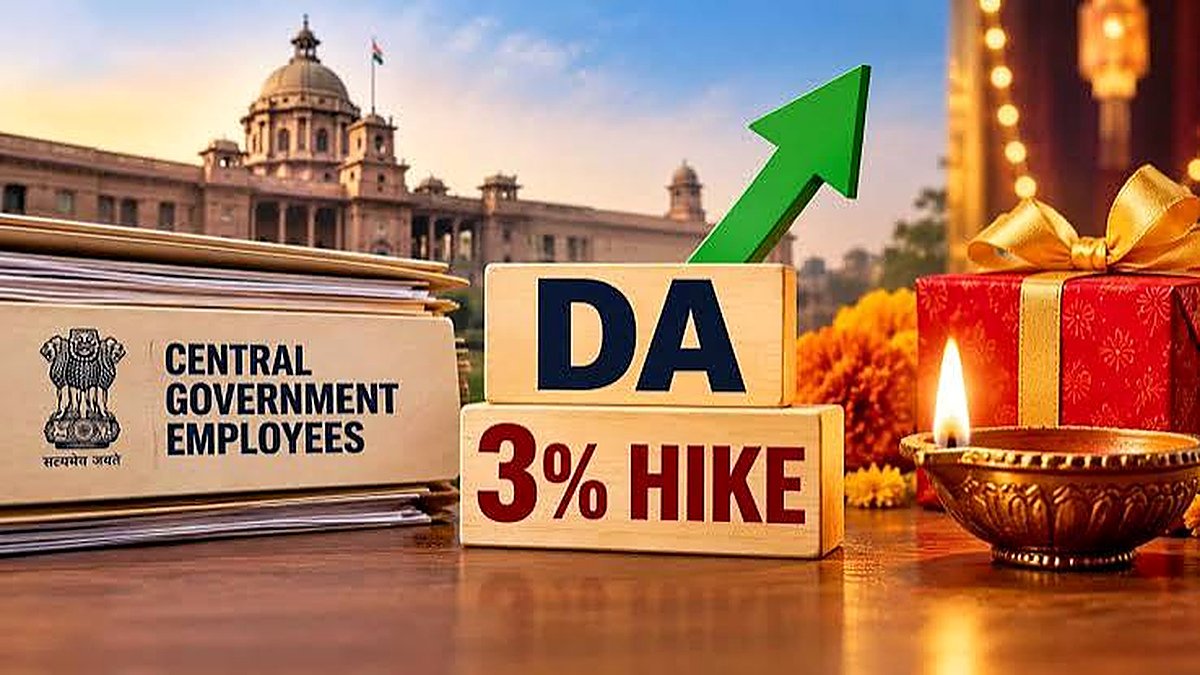
Does a 3% DA Hike Really Improve Financial Conditions?
An increase in salary does not necessarily mean an equal improvement in purchasing power. This is where the actual financial impact of the DA revision becomes important.
Suppose an employee receives an additional ₹1,050 every month. If food, healthcare, education and transportation expenses are also increasing, a significant part of this additional income may be absorbed by regular household spending.
DA is intended to provide some protection against inflation, but it cannot guarantee that every employee’s financial position will improve by the same amount. Household size, location, rent, loan repayments and personal spending habits all influence how much benefit an employee actually experiences.
Instead of treating the additional DA as money available for unnecessary spending, employees can consider using it for emergency savings, reducing outstanding debt or meeting essential expenses. Even a relatively small increase can provide some financial flexibility when managed carefully.
The 3% revision is therefore not just about a higher salary figure. It is about how additional income translates into everyday financial security. The real benefit will become clearer when employees compare their revised income with the actual increase in their household expenses.Understand the 3% DA hike in 2026, calculate extra monthly salary at different basic pay levels, check arrears and discover its impact on employees’ purchasing power.
Disclaimer: This article is for informational purposes only. Salary calculations are illustrative and may vary depending on individual pay details and official government rules. Readers should verify the latest information through official government notifications.